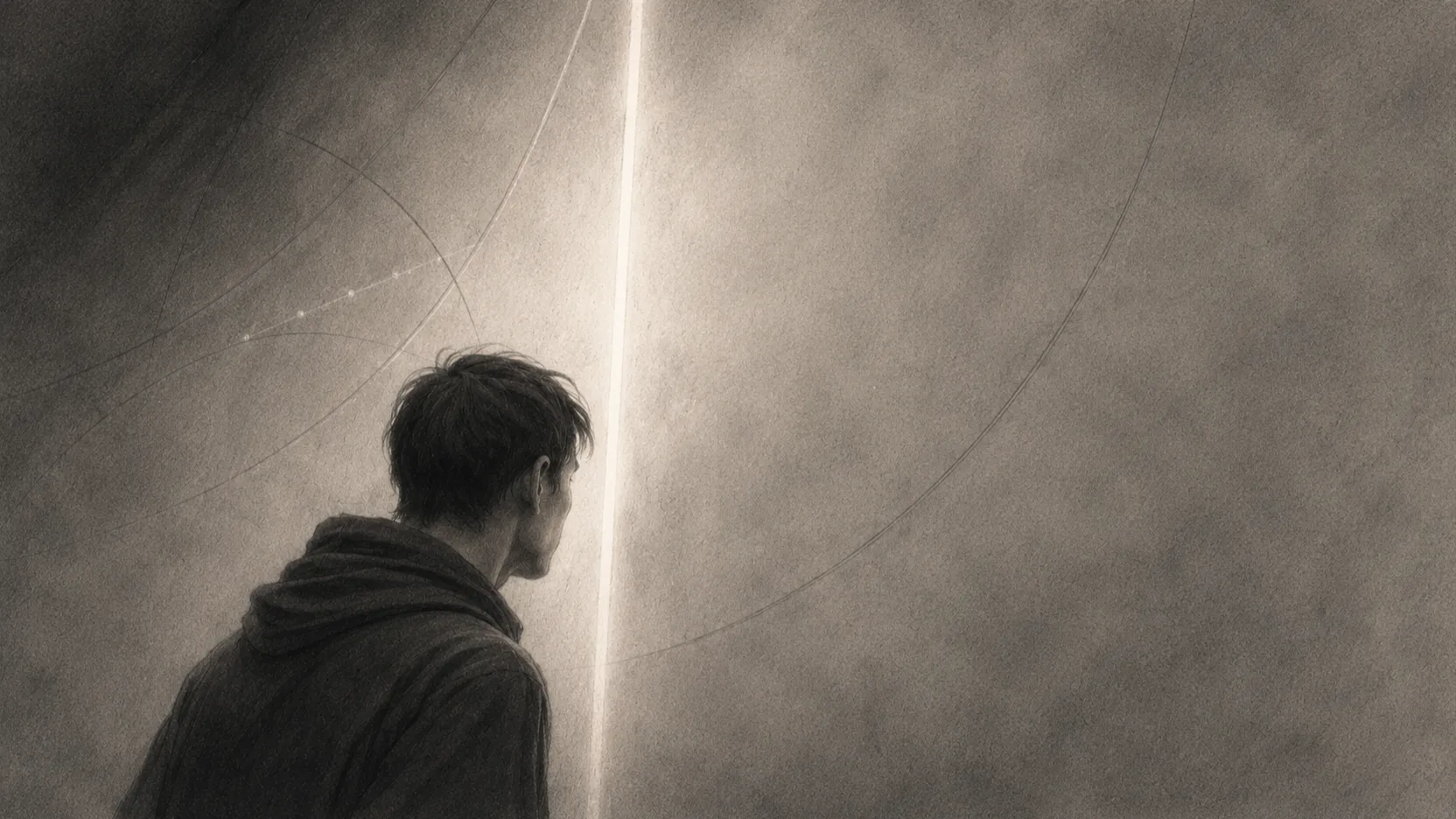
The drill bit sang before it broke. The men at the derrick thought they had struck quartz. Three hundred feet beneath a seam of black shale, their camera found a pale curve with half a drill bit lying on it. When they brought up the film, the geologist put his finger on the screen.
“Where's the scratch?”
The Army arrived within the week.
By the time I met Dr. Elisabeth Kessler, they had taken away enough of the hillside to expose a flank the size of a beached whale. Rain had filled the ruts between the huts. From a plank laid across two oil drums I could see a soldier wiping his boots before stepping onto the pale surface. It was the first place I had seen that morning where a man might reasonably have wiped them.
Dr. Kessler made room for my recorder on the table. A sliver of white chalk rolled against my wrist.
“The communiqué calls it a vessel,” I said.
“We needed a noun.”
“And you have found a door.”
“Yes,” she said. “We have had rather better luck with the nouns since then.”
She picked up the chalk. A surveyor had first noticed the intervals. On damp mornings a single row of droplets formed across the curve, with gaps of two units, three, five, seven. The row ended where the morning sun reached the surface. He had knelt down and chalked in the next few points on the dry part. A line of light ran under his hand and continued up the flank, far above his reach. He was still on his knees when the daylight fell past him into the first chamber.
In the first chamber a man could walk ten paces straight ahead and come up gently against the back of the man who had stayed behind. Along one wall, curves stood out in shallow relief. Kessler had tried to copy one. Each portion gave her very little trouble until she came to join it to the portion she had drawn before.
“An intelligence test?” I asked.
“If it was, you might leave out our names. It took us eleven days. The surveyor had only come down to move a peg.”
At the second gate the colonel ordered his men aside. He tried the surface himself, then sent for Kessler. The two of them remained there discussing who ought to go first until they noticed a private standing behind them with a heavy reel of cable. Each stepped aside to let him set it down. The seam appeared between them.
“Which of you saw it first?”
“The private. We were looking at him.”
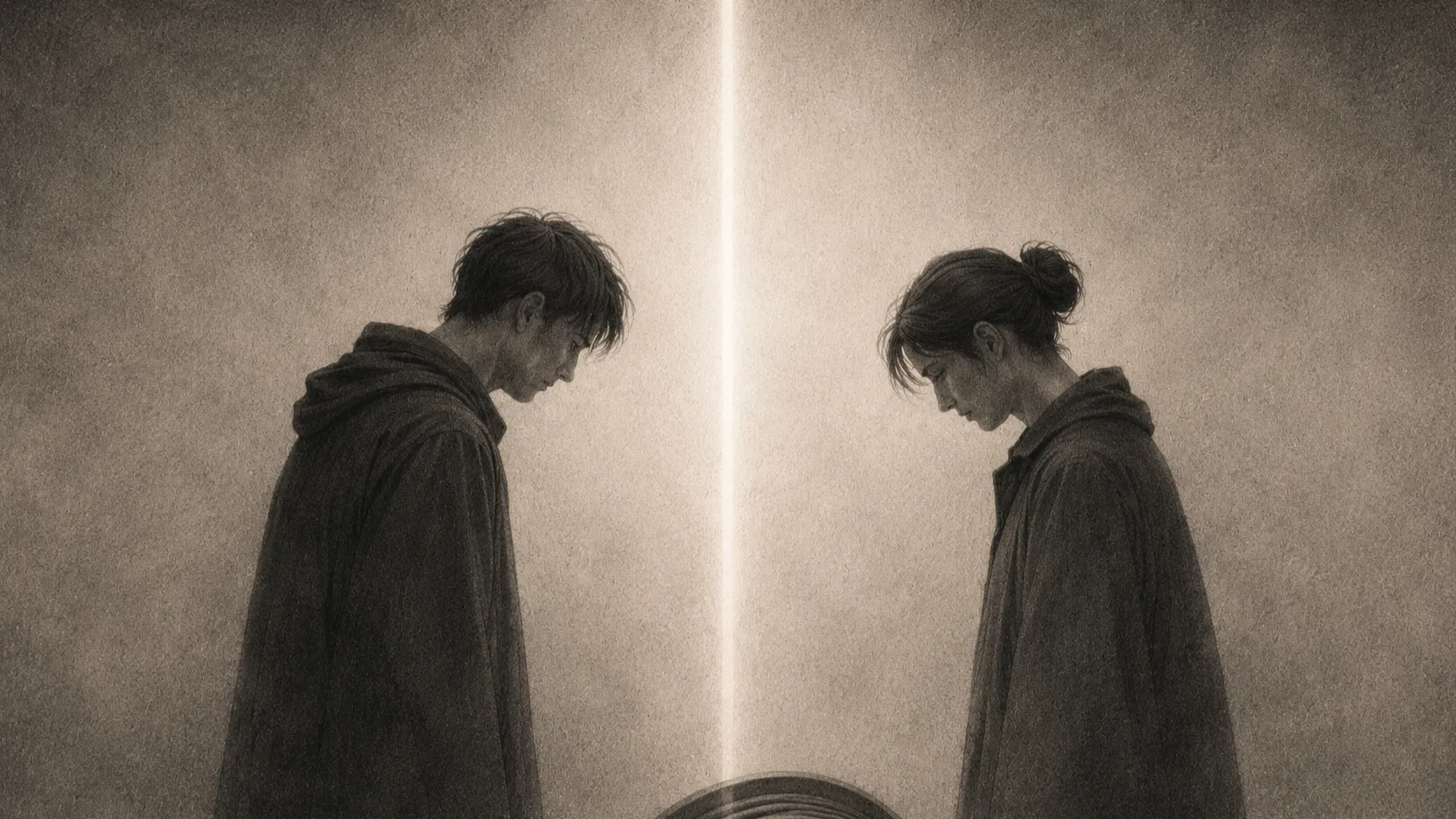
In the second chamber a whisper carried from end to end with extraordinary fidelity. A shout died at the lips. A sergeant stationed there asked in a low voice for a replacement bulb. A man sixty yards away brought him one. After that, Kessler said, people took some care over what they said in the room.
The third gate opened for the sergeant. It opened for Kessler, too. Six other people tried it that afternoon.
“What did you and the sergeant have in common?”
“His son died in the Pacific.”
I waited. She set the chalk down. After a moment I turned the recorder off.
“You may leave it running,” she said. “That was my answer.”
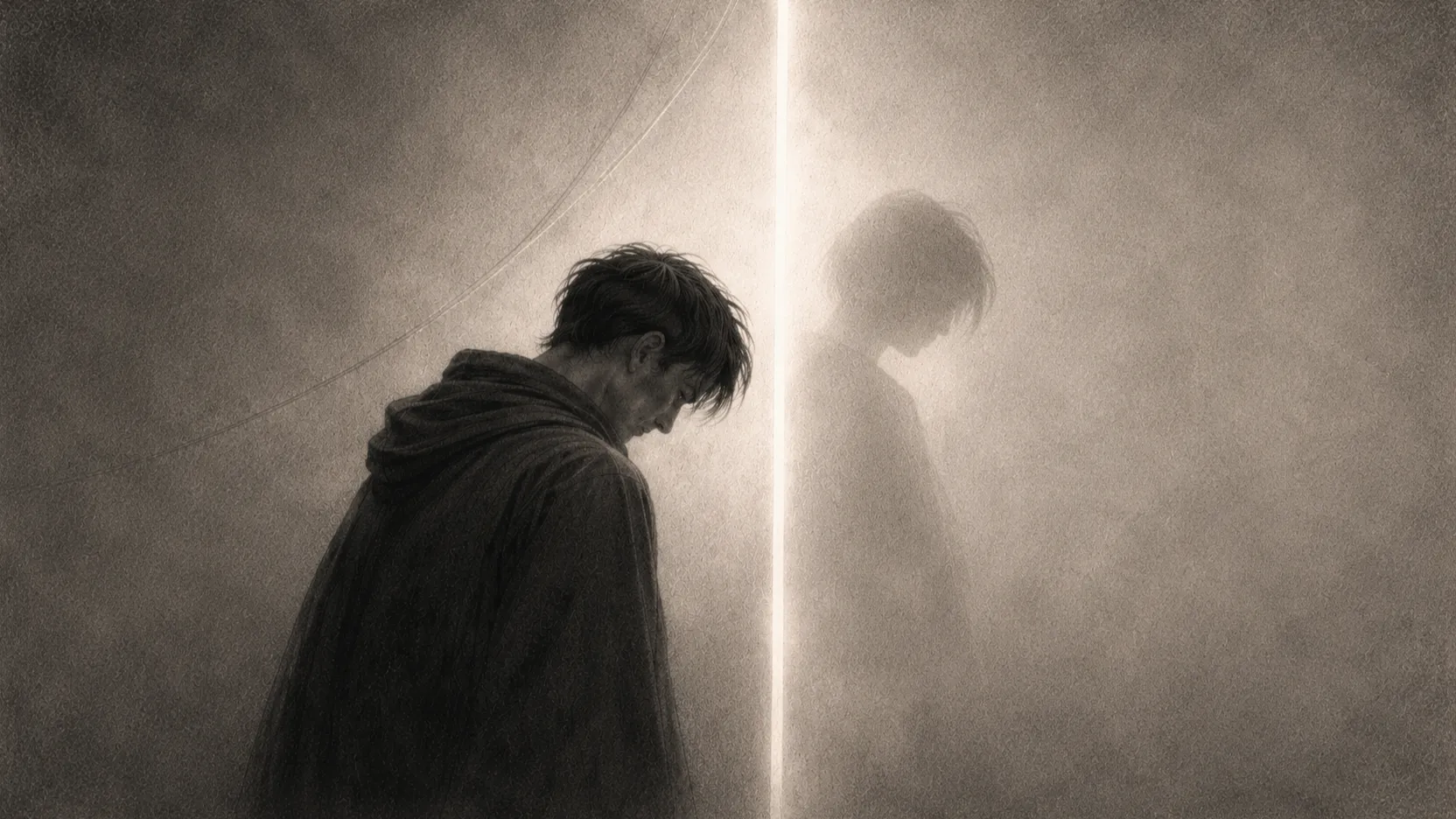
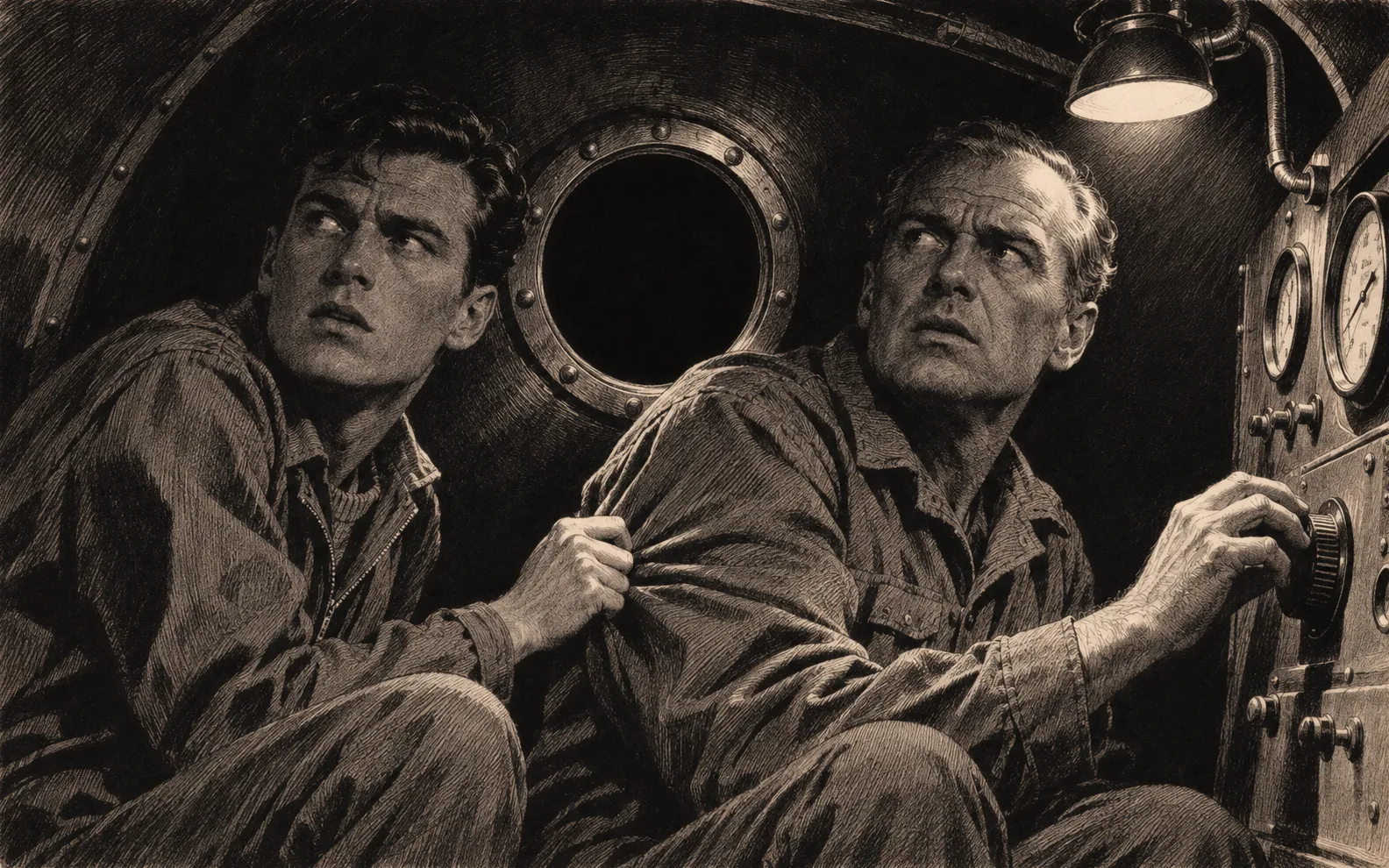
Beyond the third gate a substance like water filled the chamber to the ceiling. They went through it breathing quite easily. It felt like cool smoke on the face. The sergeant put a hand up to shield his eyes and saw it at what he judged to be the far end of the room. He could still feel his thumbnail against his eyebrow.
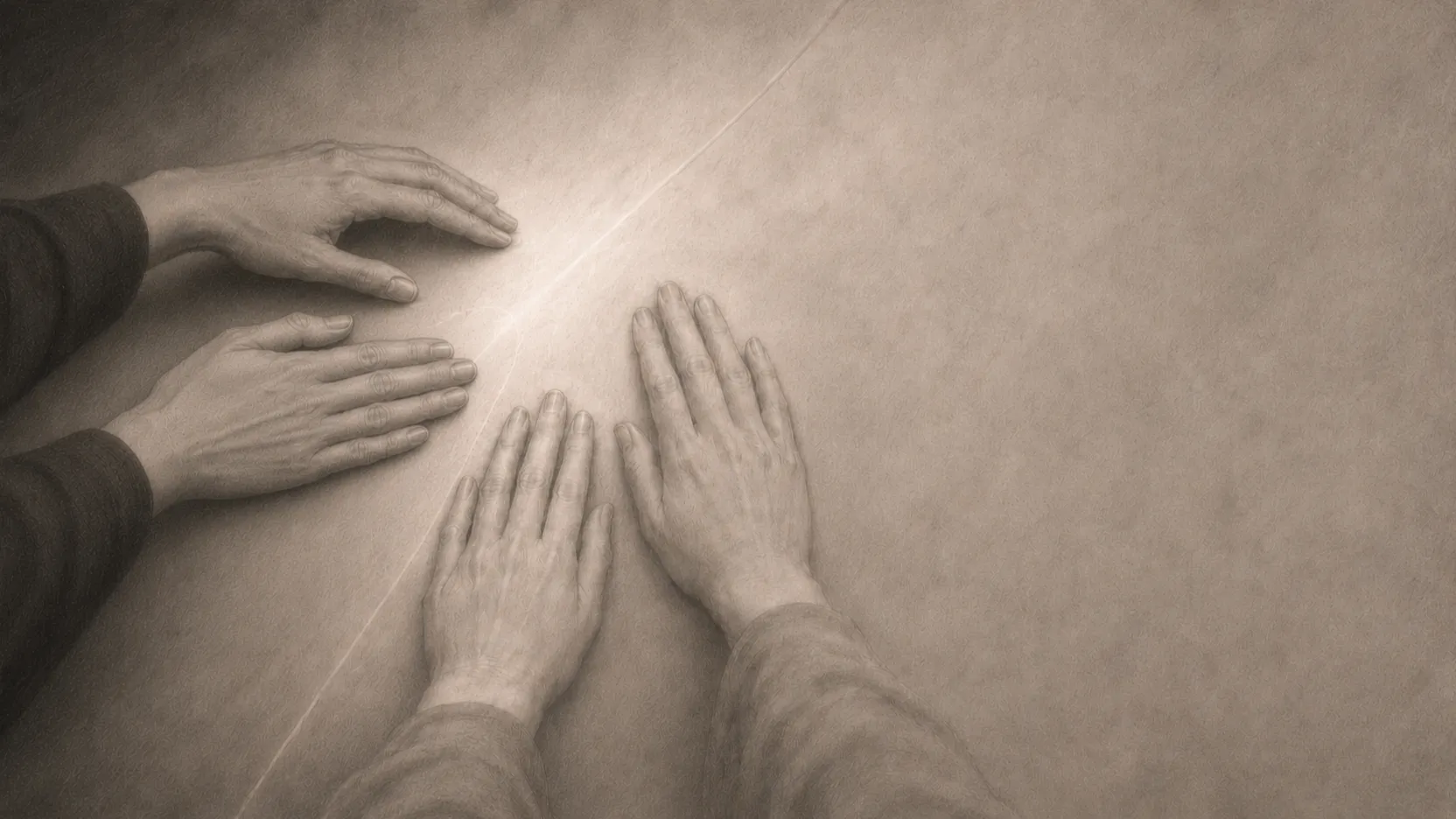
He and Kessler found the fourth gate by touch. It took all four of their hands to open it. At first they agreed to press on a count of three. That got them nowhere. Then she felt his fingers ease just as hers began to ache. She took up the pressure, and presently he took it back. By the time the surface yielded, she said, either of them would have known at once if the other had missed a beat.
In the fourth chamber the sergeant let go of his torch. It traveled in a slow arc above his head. Some minutes later he was able to reach up and take it as it came round again. They learned to cross by leaning into the same currents that carried the torch. A good hard push from the wall could cost a man half an afternoon.
“About then,” Kessler said, “we began to feel qualified to say what the thing was for.”
“And what was it for?”
“You should have been here then. I could have told you.”
Outside the tent a truck engine coughed and went still. In the sudden quiet I heard rain ticking into a pail.
The fifth gate was a smooth plane within the drifting chamber. For three days they worked on it in shifts. A student from the survey party stayed on when his relief came, and when the relief went away. Late the following morning he called out that he could see a round room, faintly lit.
“How long had it been open?” I asked.
“He couldn't say. He'd been sitting there so long he could see quite well on both sides of the threshold. When the others came at a run they had to ask him where it was.”
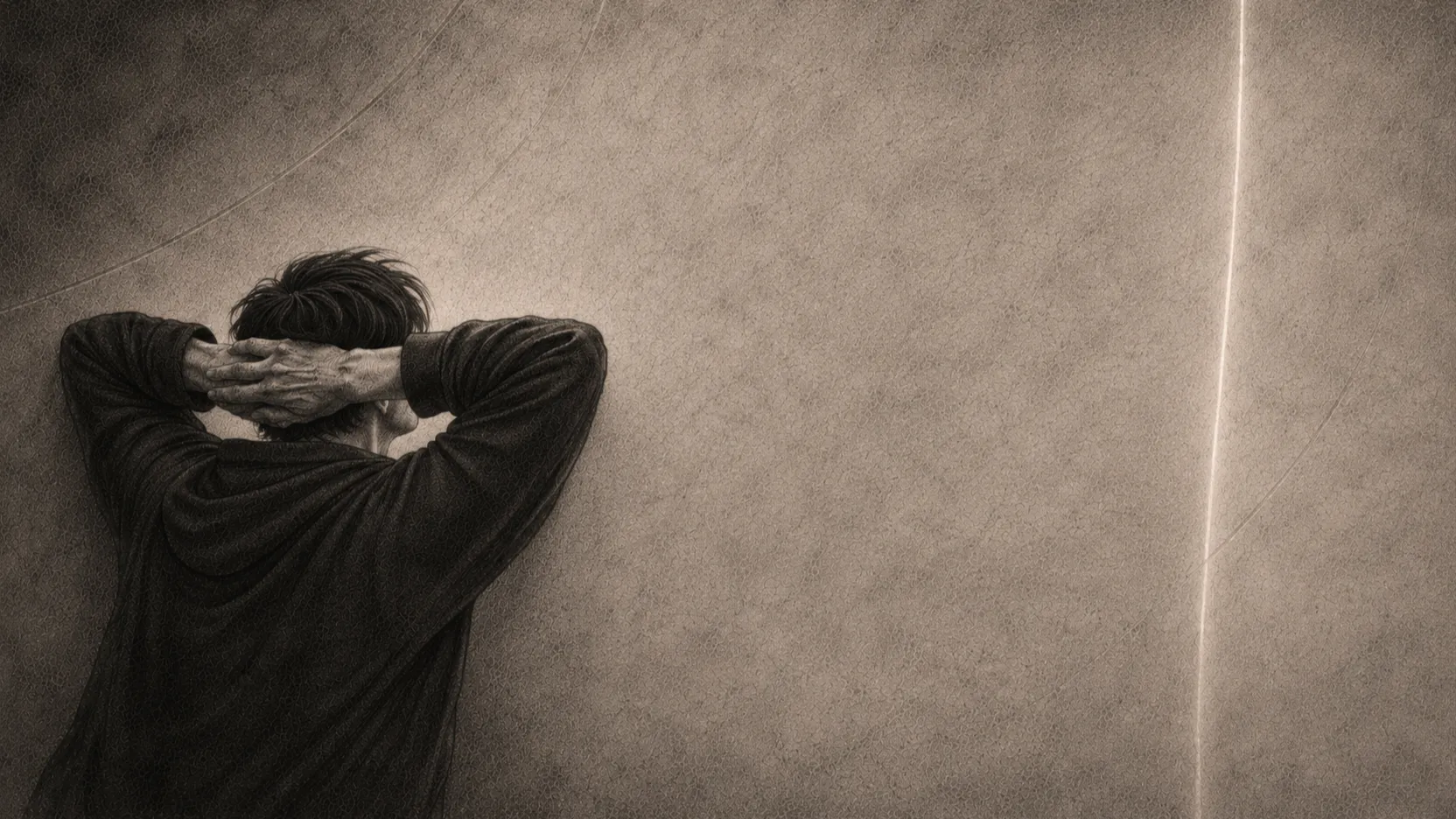
Several of those who went into the round room remarked on the peculiar feeling of arriving for an appointment. One man apologized aloud for being late. Afterwards he could give no account of whom he had addressed.
The sixth gate yielded to a corporal who had torn the heel of his hand on a cable reel. His field dressing had come loose. He leaned against the wall to wind it tight with his teeth, and the wall gave under his bare hand.
“Blood?” I asked.
“That occurred to us. The dressing did nothing. A mechanic with an old burn on his palm put his hand to it and went straight through.”
She turned her own hand palm up on the table, as one does when someone else has found a splinter.
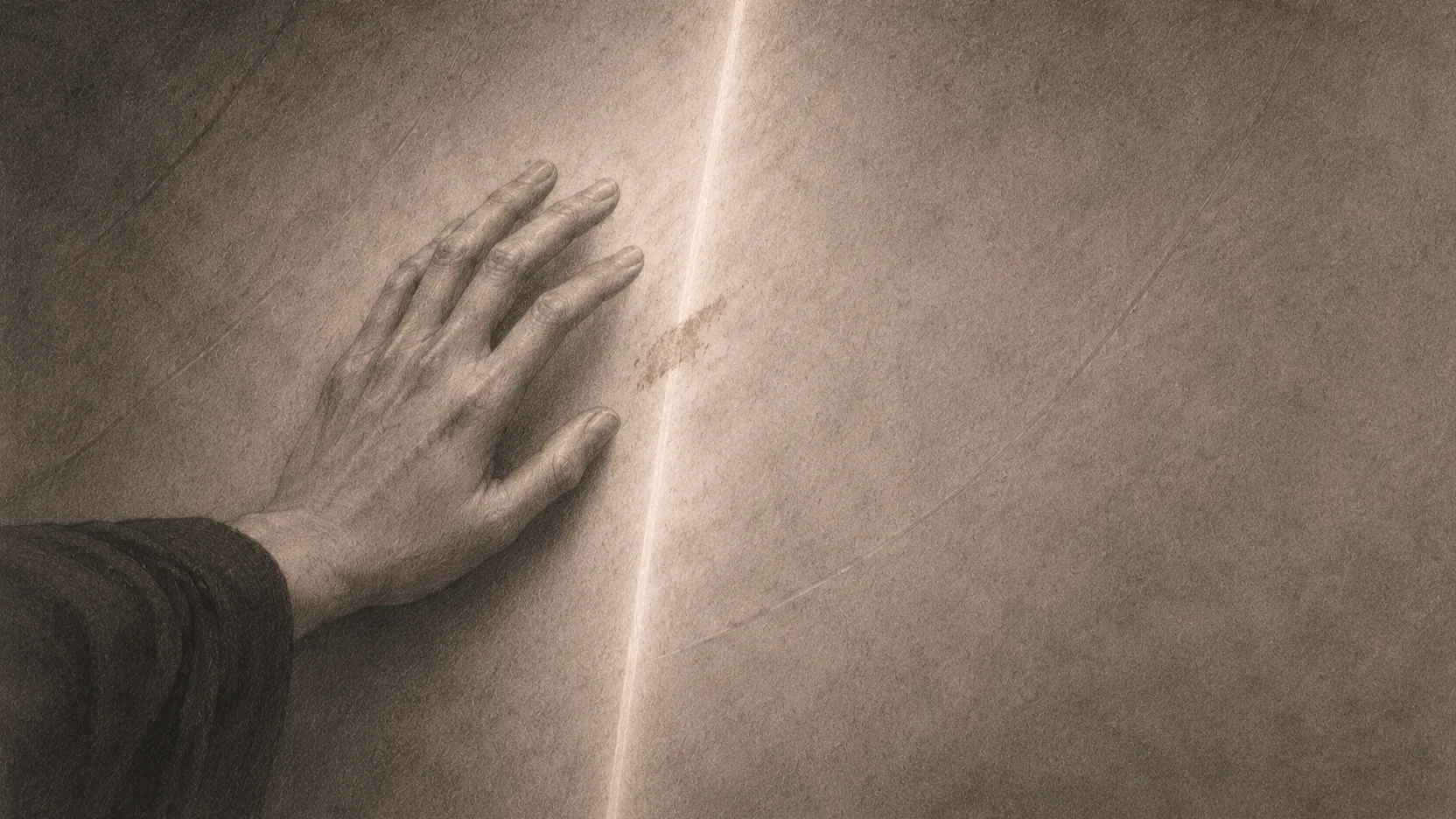
The sixth chamber was narrow and dim. The air smelled faintly of metal. There were shallow depressions along the inner curve, as if something soft had pressed against it while it was softer still. At the far end stood the seventh gate. It was transparent. Through it they could see, entire, a bare room about the size of the tent in which we sat.
“The core,” I said.
“That's what the colonel calls it.”
“What's in it?”
“Bring your chair a little closer.”
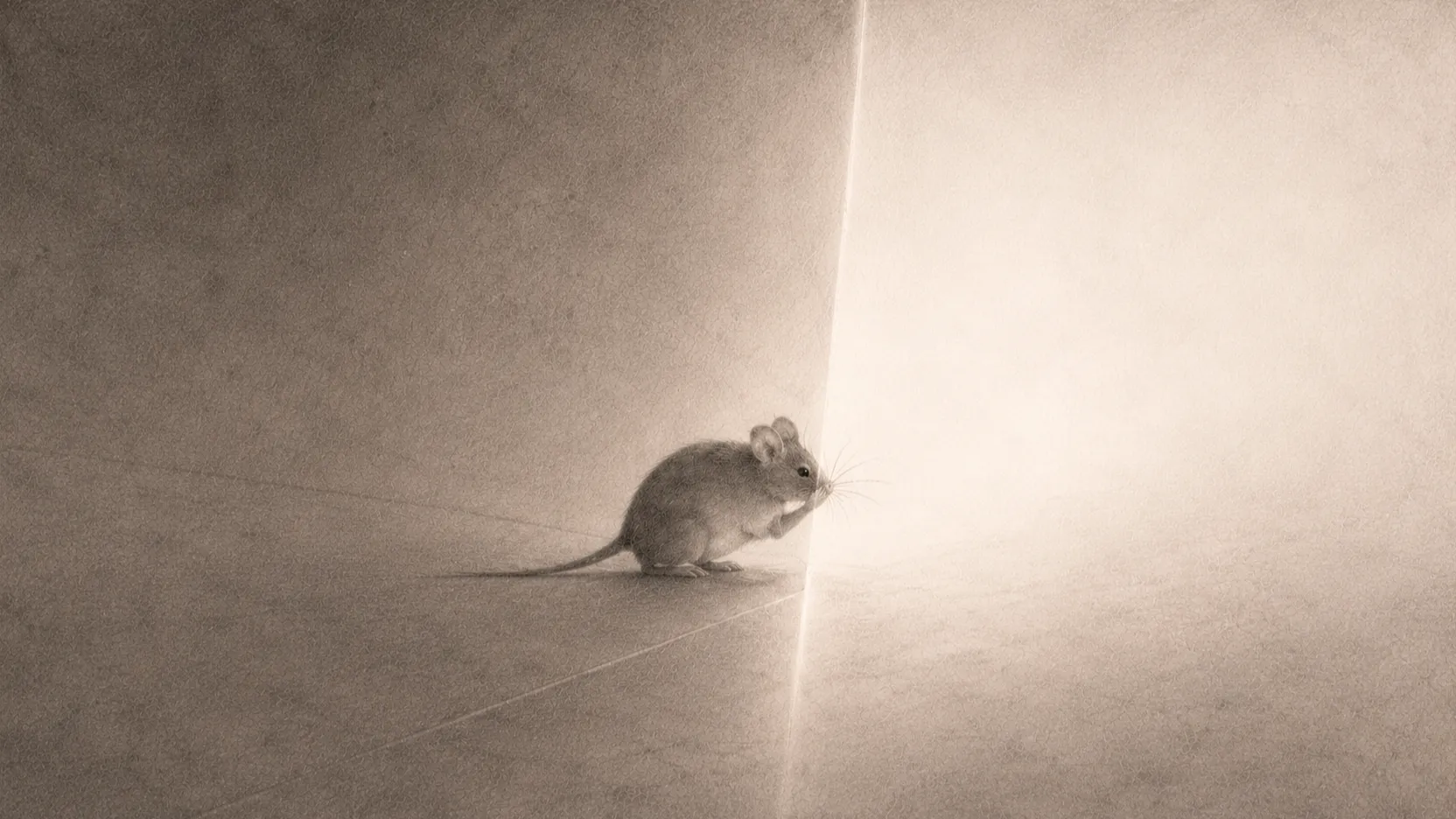
She pulled the tent flap shut and threaded a short length of film through a projector. On the canvas wall appeared the backs of three pairs of Army boots. Beyond them, in the light of a lamp set on the floor, I could make out the sill of the transparent gate. One of the boots shifted. A mouse came through between the feet of the man who wore them.
It crossed the sill, sat down in the bare room and began to wash its face.
The film ran out. Kessler wound it back by hand.
“Did the gate open?” I asked.
“Watch the light on it.”
This time I saw the reflection of the lamp. It held perfectly steady. For a moment the mouse sat washing behind the bright image of the filament. Then it came back the way it had gone.
“Have you tried to follow it?”
“Yes.”
“Why do you suppose it can go in and you can't?”
She left her hand on the little crank.
“Because we wish to enter.”
I asked to see the film once more. She turned the projector on and went outside. This time I watched the whole of it, down to the last few feet where the mouse had gone and the men were still standing there.

No comments yet